


Investing in an outdoor television is an exciting step toward transforming your backyard, patio, or poolside area into a true entertainment hub. Whether you dream of hosting Sunday football watch parties under the open sky, enjoying family movie nights by the fire pit, or simply catching up on the news while grilling burgers, an outdoor TV promises to elevate your time spent outside. However, before you make a purchase, one practical question likely comes to mind: how long do outdoor TVs actually last? It is a fair and important question, because outdoor electronics face a much harsher life than their indoor counterparts. Rain, dust, humidity, extreme heat, freezing cold, and direct sunlight all conspire to shorten the lifespan of any device left exposed to the elements. The good news is that a purpose-built outdoor television, especially a high-quality model like the Bytefree 55-inch Outdoor TV, can deliver many years of reliable service. In this guide, we will explore the typical lifespan of outdoor TVs, the factors that determine their longevity, and how to choose a model that will be a lasting part of your outdoor living space.
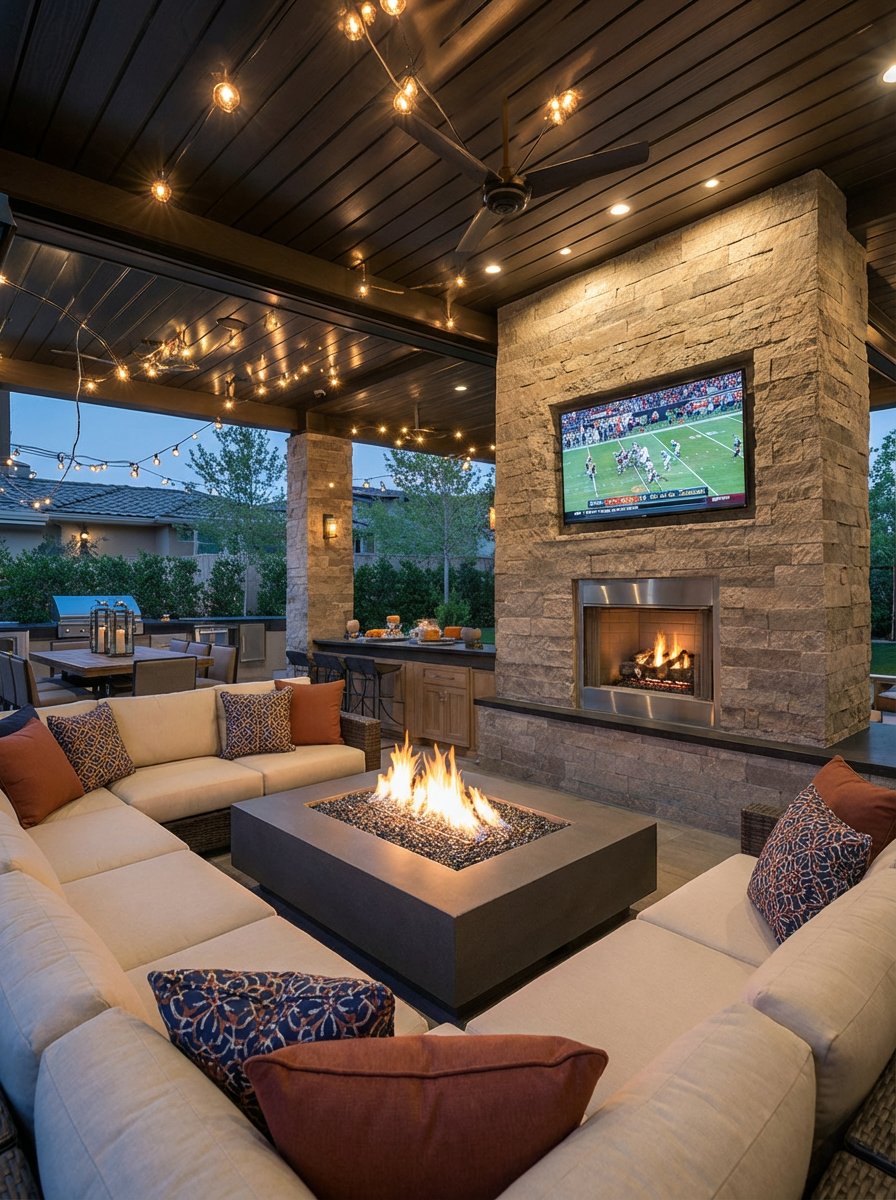
To understand how long an outdoor TV lasts, you first need to distinguish between two very different product categories: standard indoor televisions used outdoors versus genuine outdoor-rated televisions. Many North American homeowners, hoping to save money, have tried mounting a regular indoor TV on a covered patio or under a pergola. The results are almost always disappointing. An indoor TV typically has a lifespan of five to seven years when kept in a climate-controlled room. However, when placed outside, even under a roof, that same TV might only survive six months to two years. Moisture seeps in through unsealed vents, dust coats internal components, and temperature swings cause solder joints to crack. The screen itself may become delaminated or develop dark spots from humidity. In short, an indoor TV used outdoors is a temporary solution at best, often failing within a single season of regular use. By contrast, a true outdoor-rated TV is engineered from the ground up to endure the elements. These purpose-built models commonly last between five and ten years, and in some cases even longer, depending on the brand, build quality, and local climate. The Bytefree 55-inch Outdoor TV falls squarely into this durable category, with features specifically designed to maximize longevity.
The single most important factor determining how long an outdoor TV will last is its Ingress Protection (IP) rating, which measures how well the device is sealed against dust and water. The first digit in an IP rating refers to solid particle protection (dust), while the second digit refers to liquid ingress protection (water). For an outdoor TV to survive years of exposure, you should look for at least an IP54 rating, but IP55 or higher is even better. The Bytefree 55-inch Outdoor TV carries an IP55 weather resistance rating, meaning it is completely dust-tight and can withstand low-pressure water jets from any direction. This level of sealing is crucial for longevity because it prevents the two biggest killers of electronics: dust buildup that causes overheating, and moisture intrusion that leads to corrosion and short circuits. Whether you live in a dry, dusty area like Arizona or a humid, rainy region like Florida, an IP55-rated TV like the Bytefree will keep its internal components safe year after year. Without this robust sealing, an outdoor TV is essentially living on borrowed time.
Beyond the IP rating, brightness capability plays a surprising role in the lifespan of an outdoor television. You might wonder what brightness has to do with durability. The connection is indirect but important: a TV that is not bright enough for its environment will be used less often, or worse, it will be run at maximum backlight levels constantly to fight glare. Running any electronic component at its maximum power for extended periods generates excess heat, and heat is a known enemy of electronic longevity. A high-brightness outdoor TV, such as the Bytefree 55-inch with its 1500 nits ultra-brightness, can operate comfortably without being pushed to its absolute limit in most conditions. The 1500-nit panel, combined with an anti-glare screen, means you will get a clear, vibrant picture even in direct sunlight without needing to crank the backlight to 100% all the time. This more relaxed operation translates to less thermal stress on the internal power supplies, LED drivers, and display panel itself, all of which contributes to a longer functional lifespan. In contrast, a lower-brightness outdoor TV (say, 500 to 800 nits) would struggle in a full-sun location, requiring maximum output constantly and potentially burning out much sooner.
Climate and geographic location are other major variables that influence how long an outdoor TV will last. North America spans an enormous range of environmental conditions, from the freezing winters of Minnesota and Canada to the scorching summers of Texas and California, and from the salty coastal air of Florida and the Carolinas to the dry desert heat of Nevada and Arizona. Each climate presents unique challenges. Extreme cold can make LCD crystals sluggish and cause plastic components to become brittle. Extreme heat accelerates chemical reactions within capacitors and can degrade the organic compounds used in some display panels. High humidity promotes corrosion on metal contacts, while salt spray from ocean breezes is especially aggressive, eating away at unprotected metal in a matter of months. A well-built outdoor TV like the Bytefree 55-inch is designed with wide temperature adaptability and a full-metal body that helps dissipate heat while resisting corrosion. The metal housing is far more durable than plastic in outdoor settings, and the internal components are selected to operate reliably across a broad temperature range. If you live in a coastal area, investing in a TV with robust weather sealing and a metal chassis is not a luxury—it is a necessity for achieving a lifespan beyond two or three years.
Another critical factor in outdoor TV longevity is UV exposure. The same ultraviolet radiation that fades your patio furniture and damages your car's paint also attacks the materials used in television construction. Over time, UV rays can cause plastic bezels to become chalky and crack, and they can degrade the anti-reflective coatings on the screen. Even more concerning, UV exposure can break down the adhesives used to bond display layers, leading to delamination or "bubbling" of the screen. A dedicated outdoor TV like the Bytefree 55-inch is built with UV-stabilized materials that resist this type of solar damage. The full-metal body not only looks sleek but also does not degrade under sunlight the way plastic would. Additionally, the screen coatings are formulated to withstand years of direct and indirect UV exposure without losing their effectiveness. This attention to material science is one of the key reasons a purpose-built outdoor TV lasts much longer than a repurposed indoor model. When you factor in UV resistance, the lifespan gap between indoor and outdoor TVs grows even wider.
Proper maintenance and usage habits also play a significant role in how many years you will get from your outdoor television. Even the best-built outdoor TV, including the Bytefree 55-inch, will last longer if you follow a few simple practices. First, consider using a protective cover when the TV is not in use for extended periods, such as during the winter months or when you are away on vacation. A cover shields the screen from bird droppings, pollen, dust accumulation, and the worst of the weather, though it is not strictly necessary for a fully weather-sealed TV. Second, keep the area around the TV free from obstructions that could trap heat or moisture. Ensure that any vents or drainage paths (if present) are clear of debris. Third, be mindful of pressure washing near your outdoor TV. While an IP55-rated TV can withstand water jets, a commercial pressure washer delivers water at far higher pressures than a garden hose, and it could potentially force water past the seals if aimed directly at the TV from close range. Use common sense: a gentle rinse with a hose is fine, but avoid blasting the TV directly. Fourth, periodically inspect the power and signal cables for any signs of wear, cracking, or rodent damage. Outdoor-rated cables are recommended for all connections. By following these straightforward maintenance steps, you can help your Bytefree TV reach the upper end of its potential lifespan.
What do real-world owners typically experience? Anecdotal evidence from outdoor TV users across North America suggests that a quality outdoor-rated television from a reputable brand will often last five to seven years of regular, year-round use in moderate climates, and up to ten years in milder conditions or with seasonal removal. In harsh environments—such as full-sun, high-humidity Florida, or salty coastal California—the lifespan may be closer to four to six years, though premium models like the Bytefree 55-inch can still exceed that range. The most common failure modes for outdoor TVs are not catastrophic screen failures but rather gradual degradation: the backlight dims over time, the anti-glare coating wears, or the internal power supply eventually gives out after many thermal cycles. Unlike an indoor TV that might die suddenly, an outdoor TV often gives you warning signs, such as taking longer to turn on, displaying intermittent flickering, or showing reduced brightness. When those signs appear, it is usually time to start planning for a replacement. However, many owners find that their outdoor TV outlasts their initial expectations, especially if they chose a model built with longevity in mind.
The Bytefree 55-inch Outdoor TV is specifically marketed as a durable, sustainable product, and its feature set backs up that claim. The 1500-nit brightness ensures you will not need to run it at maximum constantly, reducing heat stress. The IP55 full-metal body keeps dust and moisture out while resisting UV damage and corrosion. The wide temperature adaptability means it will keep working through the seasons, from freezing winter nights to scorching summer afternoons. Additionally, Bytefree emphasizes the use of sustainable materials and eco-friendly manufacturing processes, which often correlate with higher-quality components and longer product life. When you purchase a Bytefree TV, you are not just buying a screen—you are buying engineering that prioritizes durability. And with free US shipping and transparent pricing, the overall value proposition is compelling for any homeowner serious about outdoor entertainment.
So, how long should you expect your outdoor TV to last? If you buy a standard indoor TV and put it outside, the honest answer is: not long at all—perhaps one or two seasons if you are lucky, and with steadily degrading picture quality throughout that time. If you buy a budget-oriented outdoor TV with minimal weather sealing and low brightness, you might get two to four years, but you will likely be frustrated by poor daytime visibility and nagging reliability concerns. However, if you invest in a quality outdoor-rated model like the Bytefree 55-inch Outdoor TV, a lifespan of five to ten years is a reasonable expectation, and many owners will see the higher end of that range with proper care and a favorable climate. Considering that the average North American homeowner stays in their house for around thirteen years, one or two quality outdoor TV purchases can cover your entire time in that home. That makes the higher upfront cost of a durable model like the Bytefree a smart long-term investment, rather than an expense.
In conclusion, the lifespan of an outdoor TV is not a fixed number—it is a result of the product's design, your local climate, and your maintenance habits. By choosing a television with a high IP rating, high brightness, UV-stabilized materials, and a robust thermal design, you are stacking the deck in favor of longevity. The Bytefree 55-inch Outdoor TV checks all of those boxes: IP55 weather resistance, 1500 nits of brightness, a full-metal body, and wide temperature adaptability. It is built to handle the realities of North American backyards, from the humid heat of the Gulf Coast to the dry cold of the Rocky Mountains. When you mount a Bytefree TV on your patio, poolside, or garden wall, you can look forward to years of vibrant, reliable entertainment without the constant worry of replacement. So go ahead—plan that Super Bowl party, schedule those family movie nights, and enjoy your outdoor space to the fullest. With the right TV, it will last longer than you think.
Book now on the official website and save $100 instantly.Official website: https://bytefree.net/
To understand how long an outdoor TV lasts, you first need to distinguish between two very different product categories: standard indoor televisions used outdoors versus genuine outdoor-rated televisions. Many North American homeowners, hoping to save money, have tried mounting a regular indoor TV on a covered patio or under a pergola. The results are almost always disappointing. An indoor TV typically has a lifespan of five to seven years when kept in a climate-controlled room. However, when placed outside, even under a roof, that same TV might only survive six months to two years. Moisture seeps in through unsealed vents, dust coats internal components, and temperature swings cause solder joints to crack. The screen itself may become delaminated or develop dark spots from humidity. In short, an indoor TV used outdoors is a temporary solution at best, often failing within a single season of regular use. By contrast, a true outdoor-rated TV is engineered from the ground up to endure the elements. These purpose-built models commonly last between five and ten years, and in some cases even longer, depending on the brand, build quality, and local climate. The Bytefree 55-inch Outdoor TV falls squarely into this durable category, with features specifically designed to maximize longevity.
The single most important factor determining how long an outdoor TV will last is its Ingress Protection (IP) rating, which measures how well the device is sealed against dust and water. The first digit in an IP rating refers to solid particle protection (dust), while the second digit refers to liquid ingress protection (water). For an outdoor TV to survive years of exposure, you should look for at least an IP54 rating, but IP55 or higher is even better. The Bytefree 55-inch Outdoor TV carries an IP55 weather resistance rating, meaning it is completely dust-tight and can withstand low-pressure water jets from any direction. This level of sealing is crucial for longevity because it prevents the two biggest killers of electronics: dust buildup that causes overheating, and moisture intrusion that leads to corrosion and short circuits. Whether you live in a dry, dusty area like Arizona or a humid, rainy region like Florida, an IP55-rated TV like the Bytefree will keep its internal components safe year after year. Without this robust sealing, an outdoor TV is essentially living on borrowed time.
Beyond the IP rating, brightness capability plays a surprising role in the lifespan of an outdoor television. You might wonder what brightness has to do with durability. The connection is indirect but important: a TV that is not bright enough for its environment will be used less often, or worse, it will be run at maximum backlight levels constantly to fight glare. Running any electronic component at its maximum power for extended periods generates excess heat, and heat is a known enemy of electronic longevity. A high-brightness outdoor TV, such as the Bytefree 55-inch with its 1500 nits ultra-brightness, can operate comfortably without being pushed to its absolute limit in most conditions. The 1500-nit panel, combined with an anti-glare screen, means you will get a clear, vibrant picture even in direct sunlight without needing to crank the backlight to 100% all the time. This more relaxed operation translates to less thermal stress on the internal power supplies, LED drivers, and display panel itself, all of which contributes to a longer functional lifespan. In contrast, a lower-brightness outdoor TV (say, 500 to 800 nits) would struggle in a full-sun location, requiring maximum output constantly and potentially burning out much sooner.
Climate and geographic location are other major variables that influence how long an outdoor TV will last. North America spans an enormous range of environmental conditions, from the freezing winters of Minnesota and Canada to the scorching summers of Texas and California, and from the salty coastal air of Florida and the Carolinas to the dry desert heat of Nevada and Arizona. Each climate presents unique challenges. Extreme cold can make LCD crystals sluggish and cause plastic components to become brittle. Extreme heat accelerates chemical reactions within capacitors and can degrade the organic compounds used in some display panels. High humidity promotes corrosion on metal contacts, while salt spray from ocean breezes is especially aggressive, eating away at unprotected metal in a matter of months. A well-built outdoor TV like the Bytefree 55-inch is designed with wide temperature adaptability and a full-metal body that helps dissipate heat while resisting corrosion. The metal housing is far more durable than plastic in outdoor settings, and the internal components are selected to operate reliably across a broad temperature range. If you live in a coastal area, investing in a TV with robust weather sealing and a metal chassis is not a luxury—it is a necessity for achieving a lifespan beyond two or three years.
Another critical factor in outdoor TV longevity is UV exposure. The same ultraviolet radiation that fades your patio furniture and damages your car's paint also attacks the materials used in television construction. Over time, UV rays can cause plastic bezels to become chalky and crack, and they can degrade the anti-reflective coatings on the screen. Even more concerning, UV exposure can break down the adhesives used to bond display layers, leading to delamination or "bubbling" of the screen. A dedicated outdoor TV like the Bytefree 55-inch is built with UV-stabilized materials that resist this type of solar damage. The full-metal body not only looks sleek but also does not degrade under sunlight the way plastic would. Additionally, the screen coatings are formulated to withstand years of direct and indirect UV exposure without losing their effectiveness. This attention to material science is one of the key reasons a purpose-built outdoor TV lasts much longer than a repurposed indoor model. When you factor in UV resistance, the lifespan gap between indoor and outdoor TVs grows even wider.
Proper maintenance and usage habits also play a significant role in how many years you will get from your outdoor television. Even the best-built outdoor TV, including the Bytefree 55-inch, will last longer if you follow a few simple practices. First, consider using a protective cover when the TV is not in use for extended periods, such as during the winter months or when you are away on vacation. A cover shields the screen from bird droppings, pollen, dust accumulation, and the worst of the weather, though it is not strictly necessary for a fully weather-sealed TV. Second, keep the area around the TV free from obstructions that could trap heat or moisture. Ensure that any vents or drainage paths (if present) are clear of debris. Third, be mindful of pressure washing near your outdoor TV. While an IP55-rated TV can withstand water jets, a commercial pressure washer delivers water at far higher pressures than a garden hose, and it could potentially force water past the seals if aimed directly at the TV from close range. Use common sense: a gentle rinse with a hose is fine, but avoid blasting the TV directly. Fourth, periodically inspect the power and signal cables for any signs of wear, cracking, or rodent damage. Outdoor-rated cables are recommended for all connections. By following these straightforward maintenance steps, you can help your Bytefree TV reach the upper end of its potential lifespan.
What do real-world owners typically experience? Anecdotal evidence from outdoor TV users across North America suggests that a quality outdoor-rated television from a reputable brand will often last five to seven years of regular, year-round use in moderate climates, and up to ten years in milder conditions or with seasonal removal. In harsh environments—such as full-sun, high-humidity Florida, or salty coastal California—the lifespan may be closer to four to six years, though premium models like the Bytefree 55-inch can still exceed that range. The most common failure modes for outdoor TVs are not catastrophic screen failures but rather gradual degradation: the backlight dims over time, the anti-glare coating wears, or the internal power supply eventually gives out after many thermal cycles. Unlike an indoor TV that might die suddenly, an outdoor TV often gives you warning signs, such as taking longer to turn on, displaying intermittent flickering, or showing reduced brightness. When those signs appear, it is usually time to start planning for a replacement. However, many owners find that their outdoor TV outlasts their initial expectations, especially if they chose a model built with longevity in mind.
The Bytefree 55-inch Outdoor TV is specifically marketed as a durable, sustainable product, and its feature set backs up that claim. The 1500-nit brightness ensures you will not need to run it at maximum constantly, reducing heat stress. The IP55 full-metal body keeps dust and moisture out while resisting UV damage and corrosion. The wide temperature adaptability means it will keep working through the seasons, from freezing winter nights to scorching summer afternoons. Additionally, Bytefree emphasizes the use of sustainable materials and eco-friendly manufacturing processes, which often correlate with higher-quality components and longer product life. When you purchase a Bytefree TV, you are not just buying a screen—you are buying engineering that prioritizes durability. And with free US shipping and transparent pricing, the overall value proposition is compelling for any homeowner serious about outdoor entertainment.
So, how long should you expect your outdoor TV to last? If you buy a standard indoor TV and put it outside, the honest answer is: not long at all—perhaps one or two seasons if you are lucky, and with steadily degrading picture quality throughout that time. If you buy a budget-oriented outdoor TV with minimal weather sealing and low brightness, you might get two to four years, but you will likely be frustrated by poor daytime visibility and nagging reliability concerns. However, if you invest in a quality outdoor-rated model like the Bytefree 55-inch Outdoor TV, a lifespan of five to ten years is a reasonable expectation, and many owners will see the higher end of that range with proper care and a favorable climate. Considering that the average North American homeowner stays in their house for around thirteen years, one or two quality outdoor TV purchases can cover your entire time in that home. That makes the higher upfront cost of a durable model like the Bytefree a smart long-term investment, rather than an expense.
In conclusion, the lifespan of an outdoor TV is not a fixed number—it is a result of the product's design, your local climate, and your maintenance habits. By choosing a television with a high IP rating, high brightness, UV-stabilized materials, and a robust thermal design, you are stacking the deck in favor of longevity. The Bytefree 55-inch Outdoor TV checks all of those boxes: IP55 weather resistance, 1500 nits of brightness, a full-metal body, and wide temperature adaptability. It is built to handle the realities of North American backyards, from the humid heat of the Gulf Coast to the dry cold of the Rocky Mountains. When you mount a Bytefree TV on your patio, poolside, or garden wall, you can look forward to years of vibrant, reliable entertainment without the constant worry of replacement. So go ahead—plan that Super Bowl party, schedule those family movie nights, and enjoy your outdoor space to the fullest. With the right TV, it will last longer than you think.
Book now on the official website and save $100 instantly.Official website: https://bytefree.net/

